

Top 10 Commercial Property Consultants in Chennai (2026)

Buying Assistance
Resale vs New Flat in Chennai (2026)
A new flat comes with modern amenities and lower stamp duty, but you may pay GST and wait years for possession. A resale flat is ready now and often better located, but needs careful title checks. We compare the full costs and risks, with a calculator.

Almost everyone who sets out to buy a flat in Chennai ends up facing the same question. On one side is a brand new apartment with a shiny brochure, a clubhouse and a completion date two years away. On the other is a ten year old flat in a neighbourhood you already know, with a lived in kitchen and keys you could have next month. Both have their appeal, and both have costs that are easy to miss.
The resale vs new flat in Chennai decision is not really about old against new. It is about total cost, timing, risk and how you want to live. This guide works through each of those using Tamil Nadu's actual stamp duty and GST rules, and gives you a calculator so you can compare two real options side by side.
The Real Cost Difference
Most buyers compare the price per square foot and stop there. The bigger differences are in what you pay on top. In Tamil Nadu, a resale flat attracts 7% stamp duty and a 2% registration fee, so 9% of the higher of the sale price and the guideline value. There is no GST, and you usually pay a broker around 1 to 2%.
A new flat bought directly from the builder is registered on its composite value, which covers both the undivided share of land and the building. Since December 2023, the stamp duty on this first sale is 4% up to ₹50 lakh, 5% from ₹50 lakh to ₹3 crore and 7% above ₹3 crore, plus the 2% registration fee. If the flat is still under construction, you also pay 5% GST, or 1% for homes that qualify as affordable housing. Once the building has its completion certificate, GST no longer applies. Here is how that plays out on an ₹80 lakh flat.
The table leaves out one cost that catches many people out: rent. If you are renting now and buy an under construction flat, you keep paying rent until possession. Two years at ₹25,000 a month adds ₹6 lakh, which can wipe out any saving on stamp duty. Our full guide to stamp duty and registration charges in Chennai covers the rates in more detail.
Location and Neighbourhood
Resale flats have one big advantage that money cannot easily buy: they are often in established parts of the city. Areas like Adyar, Mylapore, Anna Nagar, T. Nagar and Besant Nagar have very little land left for new projects, so if you want to live there, resale is often the only realistic option. You can see the neighbourhood as it actually is, talk to neighbours and check how the street behaves in the monsoon.
New projects are more often found in growing suburbs and corridors such as OMR, GST Road, Porur and the western suburbs. These areas can offer better value and stronger appreciation as infrastructure catches up, but you are partly buying a future that has not arrived yet. If you are weighing the southern corridors, our guide to OMR vs ECR property investment compares the two main options.
Condition, Amenities and Maintenance
A new flat is just that: new wiring, new plumbing, a modern layout and, in most larger projects, amenities like a pool, a gym, power backup and security. The builder is also responsible for fixing structural defects for five years after possession under the RERA Act.
A resale flat comes as it is. Older buildings may need waterproofing, rewiring, a new lift or a fresh coat of paint inside and out, and that renovation should go into your budget. On the other hand, you can see every crack, test every tap and ask the association how much maintenance really costs, which you cannot do with a flat that has not been built yet.
Legal Checks and Risk
The risks are different in kind. With a new flat, the main risk is delivery: delays, changes to the plan, or in the worst case a stalled project. TNRERA registration gives you real protection here, because the builder has to declare a completion date, keep project money in a separate account and answer to the regulator. Always check the project's registration on the TNRERA website, and if you are booking through an agent, read our guide to RERA certified channel partners in Chennai first.
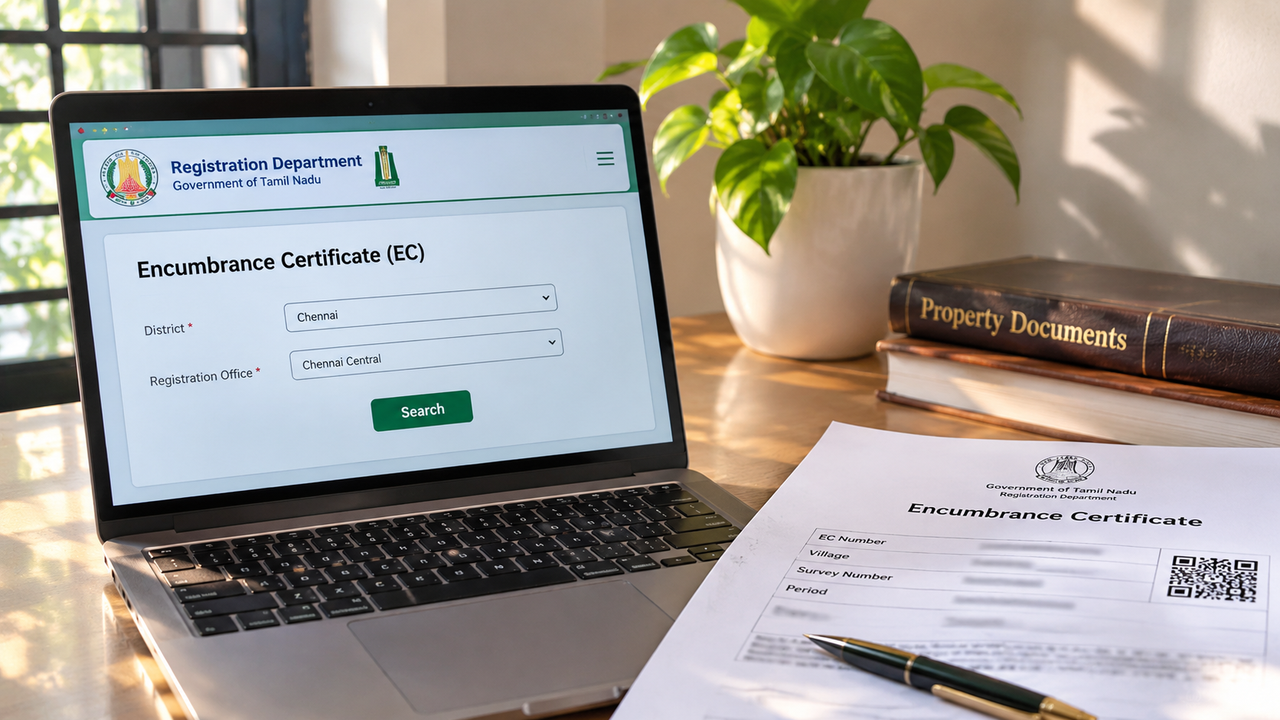
With a resale flat, the main risk is title. You are relying on the seller's ownership being clean, every earlier sale being valid and no loans or claims remaining on the property. That means tracing the chain of documents back at least 30 years, getting an encumbrance certificate and checking that the building had proper approvals. Our step by step guide on how to check property title and parent documents explains exactly how.

Home Loans: What Changes
Banks lend on both, but the process differs. For a new flat, many builders have tie ups with lenders, and the loan is released in stages as construction progresses. You pay interest, or pre EMI, on what has been released, often while also paying rent. For a resale flat, the bank sends its own valuer and lawyer, and lends a percentage of the valuation, not the price you agreed. If the valuation comes in lower, you make up the difference yourself. Older buildings can also mean shorter loan tenures.
Appreciation and Resale Value
New flats in growing areas often appreciate faster in the first few years, particularly when a metro line, a new road or a big employer arrives nearby. Resale flats in established areas tend to rise more slowly but more steadily, and they are easier to rent and sell because the location is proven. Over a ten year period, location usually matters more than whether the flat was new when you bought it.
Work Out Your True Cost
Put both options into the calculator below. Include brokerage and renovation on the resale side, and the rent you will keep paying while you wait for an under construction flat. The answer is often closer than people expect.
Which One Should You Choose?
Most buyers we work with find the decision becomes clearer once they are honest about their priorities. A resale flat usually makes more sense when:
- You need to move in within the next few months
- You want to live in a central, established neighbourhood
- You are already paying rent and cannot carry rent and EMI together
- You are happy to budget for some renovation
- You want to see exactly what you are buying
A new flat usually makes more sense if you want modern amenities and a newer building, can wait for possession or find a ready project with a completion certificate, and value the protection that TNRERA registration gives. For buyers who want the best of both, a ready to move new flat with a completion certificate avoids GST and waiting, though it usually costs a little more.

Compare the Total, Not the Brochure
A new flat and a resale flat can look very different on paper but end up costing much the same once stamp duty, GST, brokerage, renovation and rent are added. Work out the full cost of each, check the title or the RERA registration, and think about how you will live there in ten years. That is how you make a decision you will not regret.
Since 1995, RAPRO has helped more than 1,000 owners across 10+ countries buy, sell and manage property in Chennai, and we are rated 4.8 from 415+ reviews. Browse our current property listings, call +91 98410 50874, email enquiry@rajamproperty.in, or visit us at Twin Tower, 2nd Floor, TTK Road, Alwarpet.


FAQ
Frequently asked questions
Everything you need to know about our consulting and AI solutions — from strategy to implementation.
What documents should I check for a resale flat?

Which appreciates faster, resale or new?
How old is too old for a resale flat?
Is it harder to get a home loan for a resale flat?
Do I pay GST on a resale flat?
What is the stamp duty on a new flat in Chennai?
What is the stamp duty on a resale flat in Chennai?
Is it better to buy a resale or new flat in Chennai?